How Gambling Affects Your Health: What Casinos Take Besides Money
You might win money back—your time and your nerves, you won’t. A clear-eyed look at what gambling takes besides cash: emotional whiplash, chasing losses, lost sleep, and burnout.
An independent analytics platform for studying your game data, staying in control of your play and making conscious decisions.
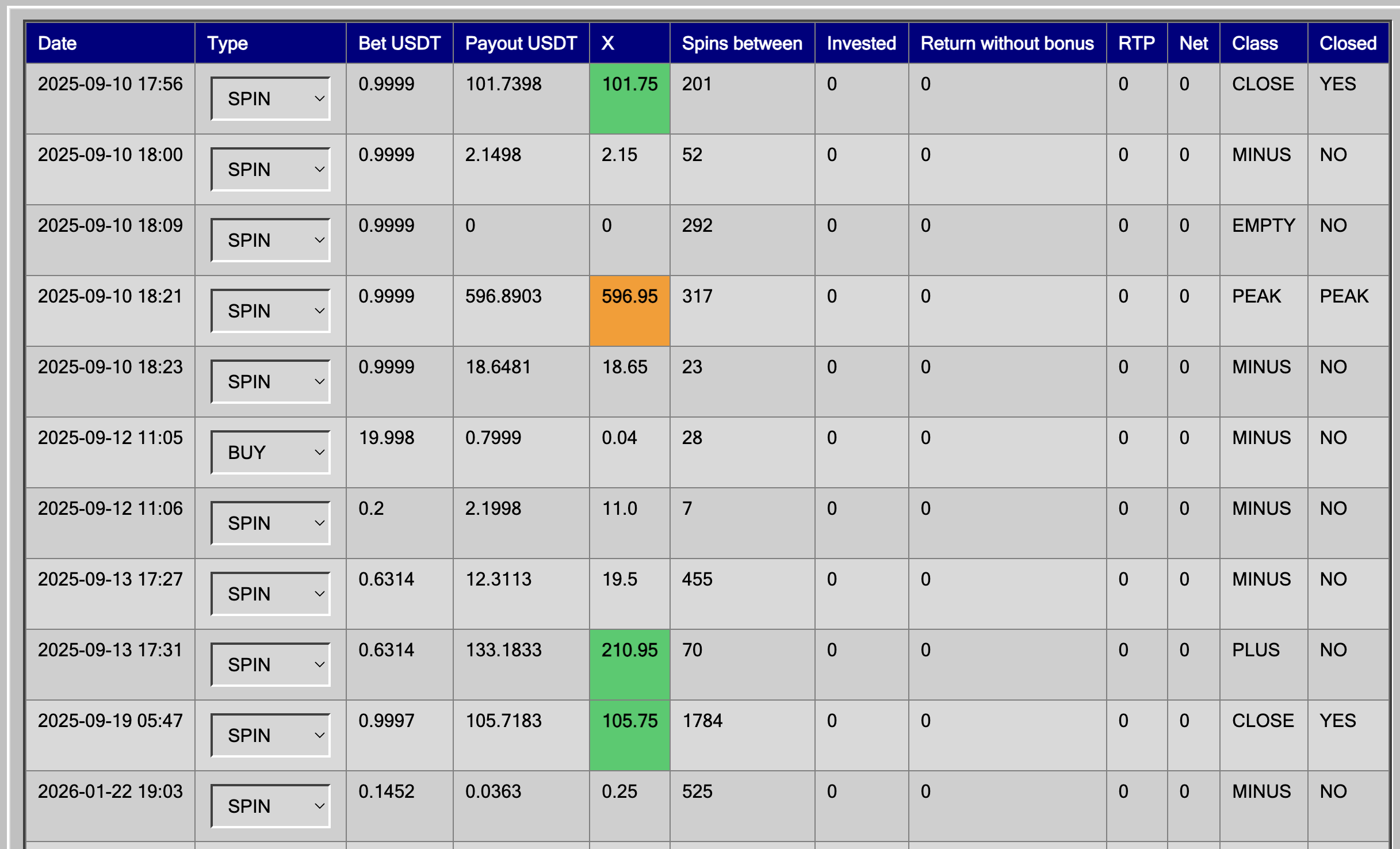
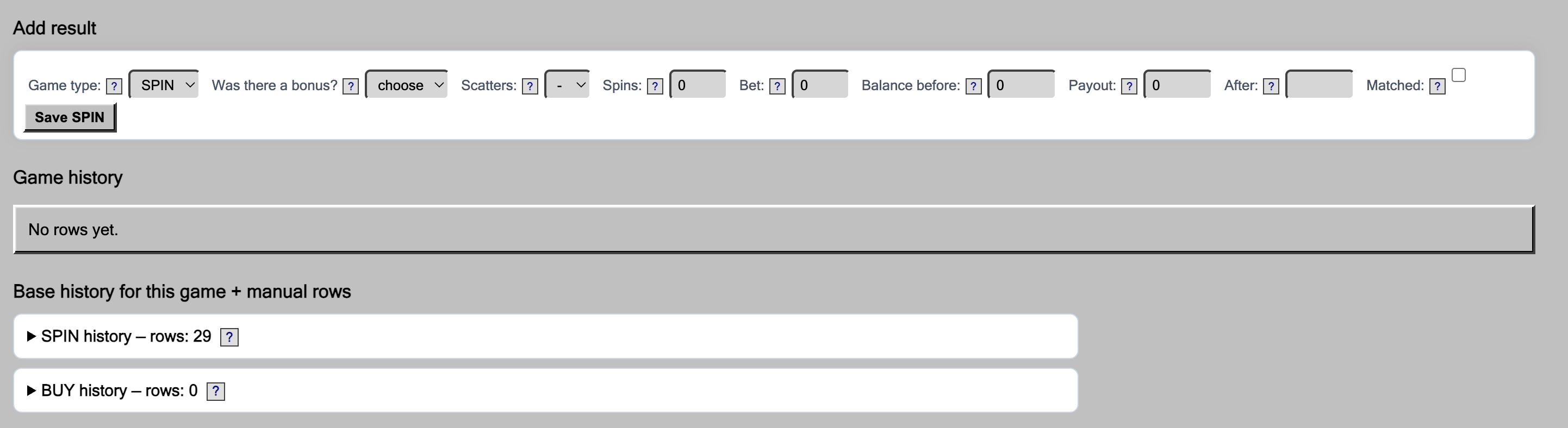
HouseKnows is an analytics platform built so you can stop, look at your play from the outside and make decisions based on data, not emotion. An online casino stores the full history of every bet, every spin and every bonus game, but a player rarely has that information in a form convenient for analysis. Much of the data cannot be downloaded, compared or studied on your own. HouseKnows lets you upload your session history and automatically turns it into clear analytics. The platform identifies bonus games, measures the distance between them, analyses the sequence of events and surfaces long runs without bonuses and other things you cannot see during normal play. Special attention goes to the analysis of 'tails' — the number of spins that have passed since the last bonus game. This tool helps you see the current state of a session and make a conscious decision to keep playing or to stop. For players who play manually and have no access to history files, there is a manual data-entry mode: it lets you record game events, keep a history and stay in control even when the casino provides no statistics. HouseKnows does not guarantee winnings, does not predict outcomes and does not affect how the games work. It provides tools to collect, store and analyse data, helping the player better understand what is happening and keep control over their own decisions. Conscious play — and the ability to stop when you see that beating the casino is not possible — gives you a reason to think about why all of this matters in life.
The platform turns game history and manual notes into clear data: upload a file, it builds events, highlights bonus cycles and helps you read the game through distance, not emotion.
Articles on RTP, RNG, bonus cycles, spin tails, bonus buys and how to read a casino through data.

You might win money back—your time and your nerves, you won’t. A clear-eyed look at what gambling takes besides cash: emotional whiplash, chasing losses, lost sleep, and burnout.

A new platform tool takes your play history and shows the real price — money, time and nerves — in plain numbers. Money can be won back; time and your nerves can't.
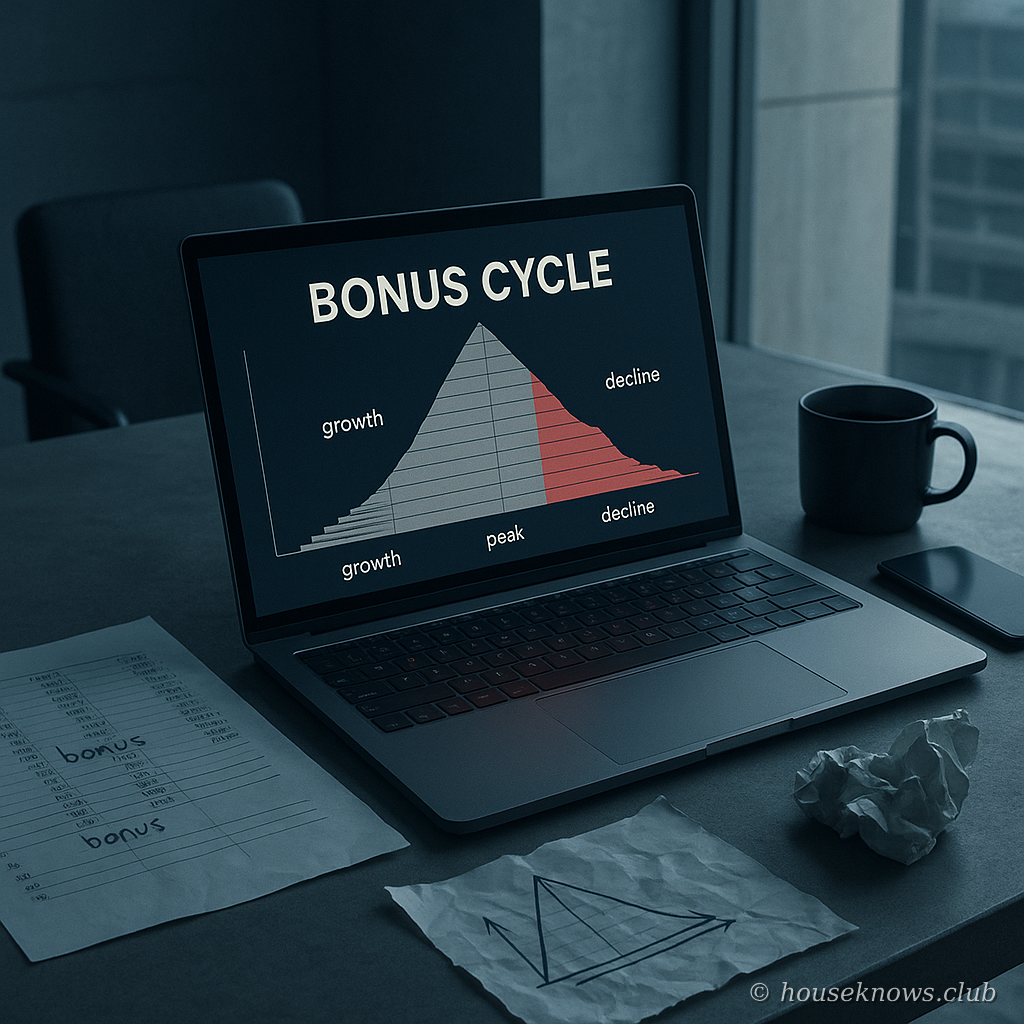
How many spins until the next bonus? In real betting histories, the gaps between bonuses often line up into a cycle: a growth phase, a dense zone, and a decline phase. Here’s the full set of models in one place — with charts.

A strong first 200 spins can be real—but it can also be a *false window* that tricks you into chasing a dead stretch. Here’s what the data says about spotting the cooldown and ending the session on time.
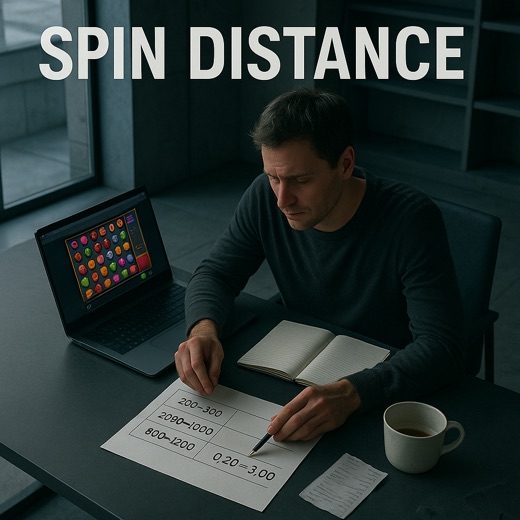
Most players size a deposit by the bet. In practice what matters is the distance you intend to cover.
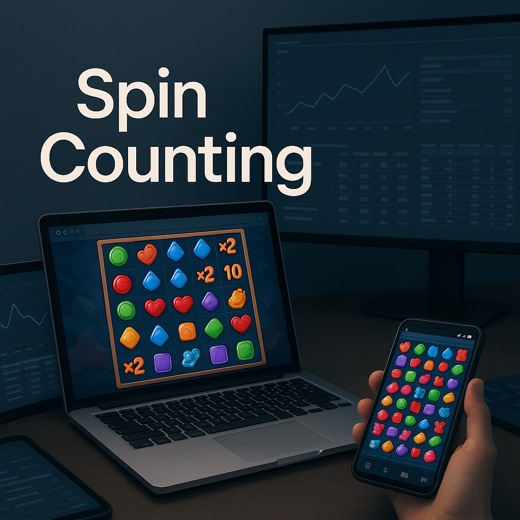
Counting spins returns control: you stop seeing separate moments and start seeing structure — the distance between bonuses and their result.

Alcohol and slots is a loss of control, not a neutral state. It doesn't 'stop you winning' — it changes behaviour and distorts risk.
The bet is the same game. Bet size doesn't create a separate 'stream' and doesn't switch the model — it only changes scale.

Volatility is a parameter of the payout distribution. RTP sets the total return; volatility sets the shape of that return over distance.
Burnout on a single slot is an analytics failure. After it, decisions are made by state, not by data.

Event density is the real state of the game, not your balance. The system either gives a flow of events or takes it away.
A negative bonus isn't preparation for a payback. Often it's simply a base part of the distribution.
A zero bonus looks neutral, but in the cycle it can mark the close of a segment.

A positive bonus is often read as the start of a run, but in the data it can be the peak of a cycle.
In spins the zigzag stretches over time, so the main reference is the distance to bonus events.

Zigzag is not a strategy or a guarantee — it's a way to look at a series without the illusion that one good result continues.

A bonus looks like the main event, but for analysis it's an event in a probabilistic cycle.

RTP doesn't promise a return in one session. It should be counted over your own distance and current history.

The RNG sets a spin's result at the moment you press, and doesn't adjust to the player's wish, bet or expectation.

Winning is not a button or a scheme. The real question is whether you see the game as a system or as emotion.
You don't lose to a spin — you lose to emotion and to losing sight of structure. Control of distance is reading your play as data.
A real strategy isn't how you bet — it's how you see: distance, cycles, tails and payout classes.
There's no signal for the next spin — but behind the question is a right intuition: the game has structure, just on distance, not in a spin.

Mechanics are a shell over a distribution. Understanding the build removes the magic and the false signals.
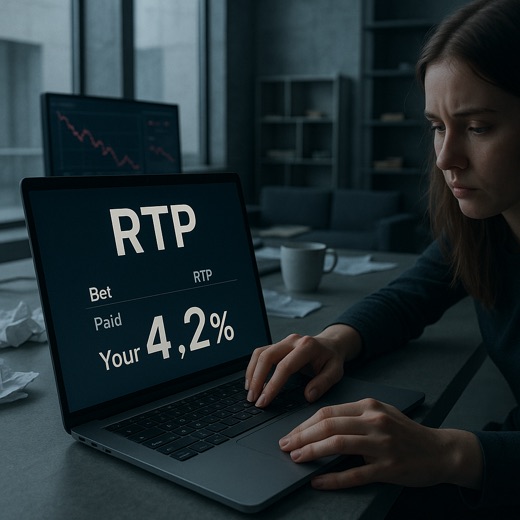
RTP is an average over distance, not a promise per session. What matters is the actual RTP of your own history.
Volatility explains why a short session is deceptive and why structure is only visible over distance.

A bonus buy fixes the entry price and packs the series tight. It's not a luck accelerator — it's a variance accelerator and a clean data source.

Free spins are either an event in the game's cycle or a promo tool. For reading the game, telling them apart matters.

Martingale looks like a strategy, but it doesn't touch the game's structure — only the shape of risk. Control comes from data, not from doubling.

Bet size doesn't change the outcome — it changes scale and the speed you move through the distance.

The house edge isn't the casino being evil — it's a structural fact of the game's math. Understanding it means playing on data, not hope.
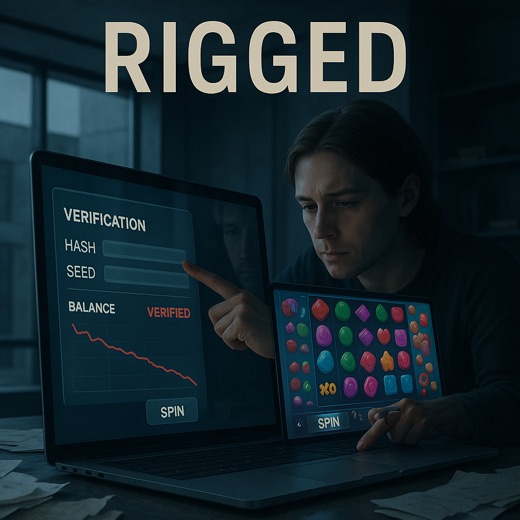
Fairness is about the outcome not being tampered with — not about the player being ahead. A look at RNG and provably fair.
The feeling that 'it's been a while, so it's due soon' is the gambler's fallacy. Spins are independent; a slot has no memory.
A bankroll isn't 'how much to win' — it's the distance you can cover. It relates to volatility and bet size.

Megaways is a mechanic with a changing number of ways to win. It raises volatility but doesn't change the nature of the distribution.

A progressive jackpot is a slice of RTP moved into a rare event. It raises variance and lowers the base return.
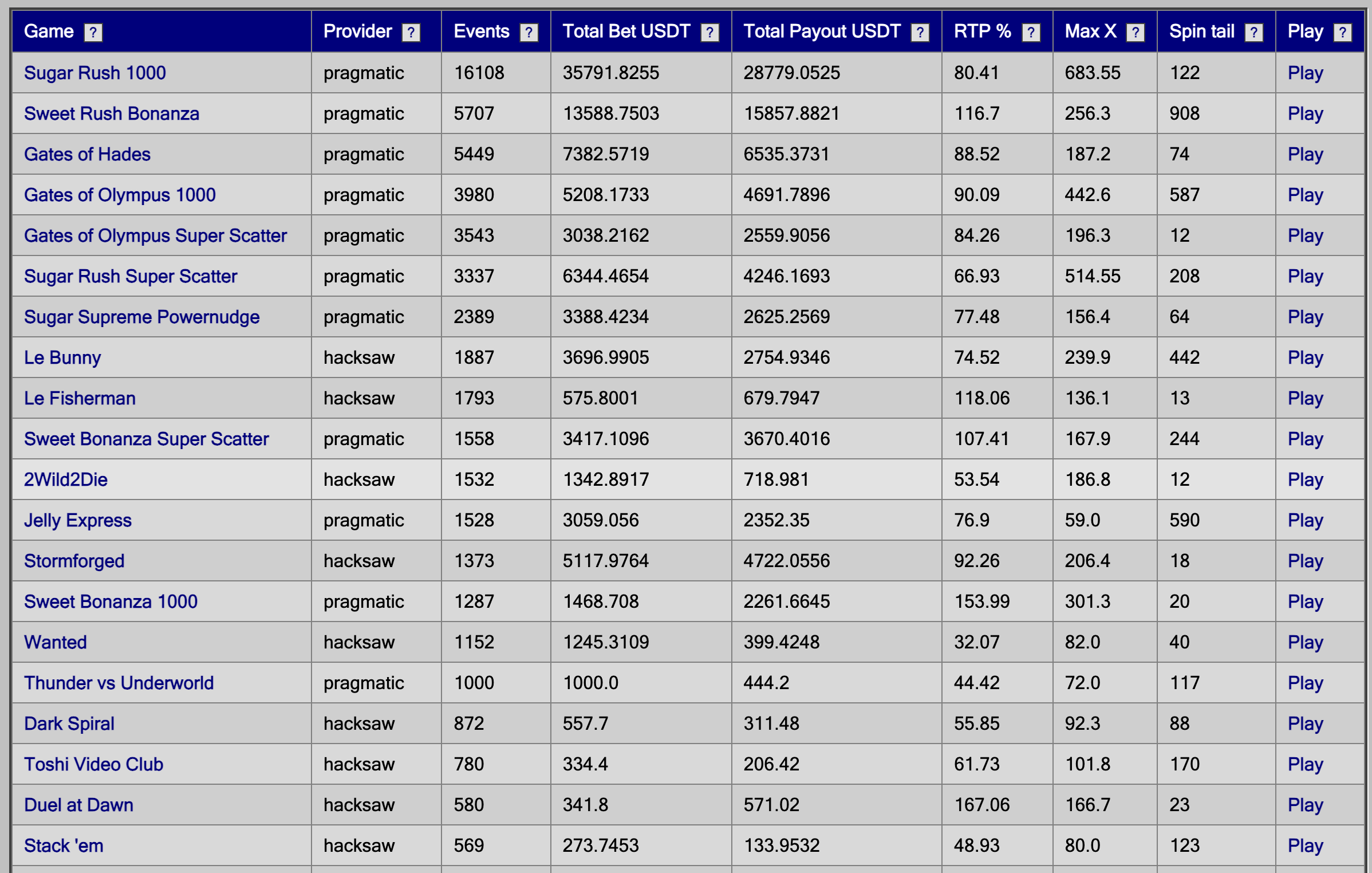
Slot breakdowns based on real bet histories: RTP between spin bonuses, how often big wins land, distributions. Updated as new data arrives.

Sugar Rush 1000 is a slot with a readable cadence to its pauses and payouts, but with a bankroll path that is clearly unpredictable: long dry runs of 600–1000+ spins show up regularly, and big returns concentrate in narrow windows you cannot identify in advance.
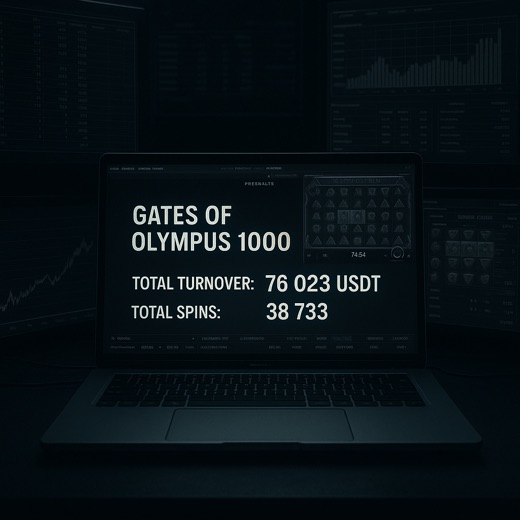
Gates of Olympus 1000 carries high long-run risk: in a noticeable share of histories there are stretches of 600+ spins, and even 1000+ spins, without a bonus. At the same time, the game differs sharply from day to day: in active windows you get both a higher RTP between bonuses and regular x15+ hits, while on empty days the base game barely holds up.
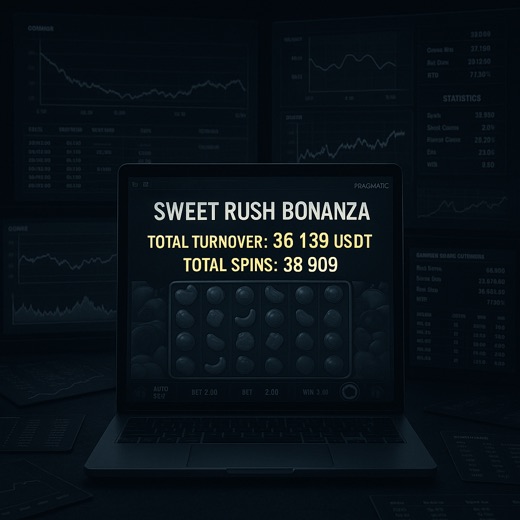
Sweet Rush Bonanza has a familiar structure in how the gaps between bonus rounds develop, plus a fairly reliable “tail” rule after long breaks. But the game’s overall feel depends heavily on which window and which part of the cycle your session happens to land in.

Sugar Twist 1000 is a slot with a fairly dry baseline and pronounced cyclicality: the gaps between bonuses rise in waves, while bonus payouts move in a zigzag from bigger to smaller results. “Closed” day-level windows can last a long time, and the first 200 spins of a day are statistically richer in big events than the rest of the session.
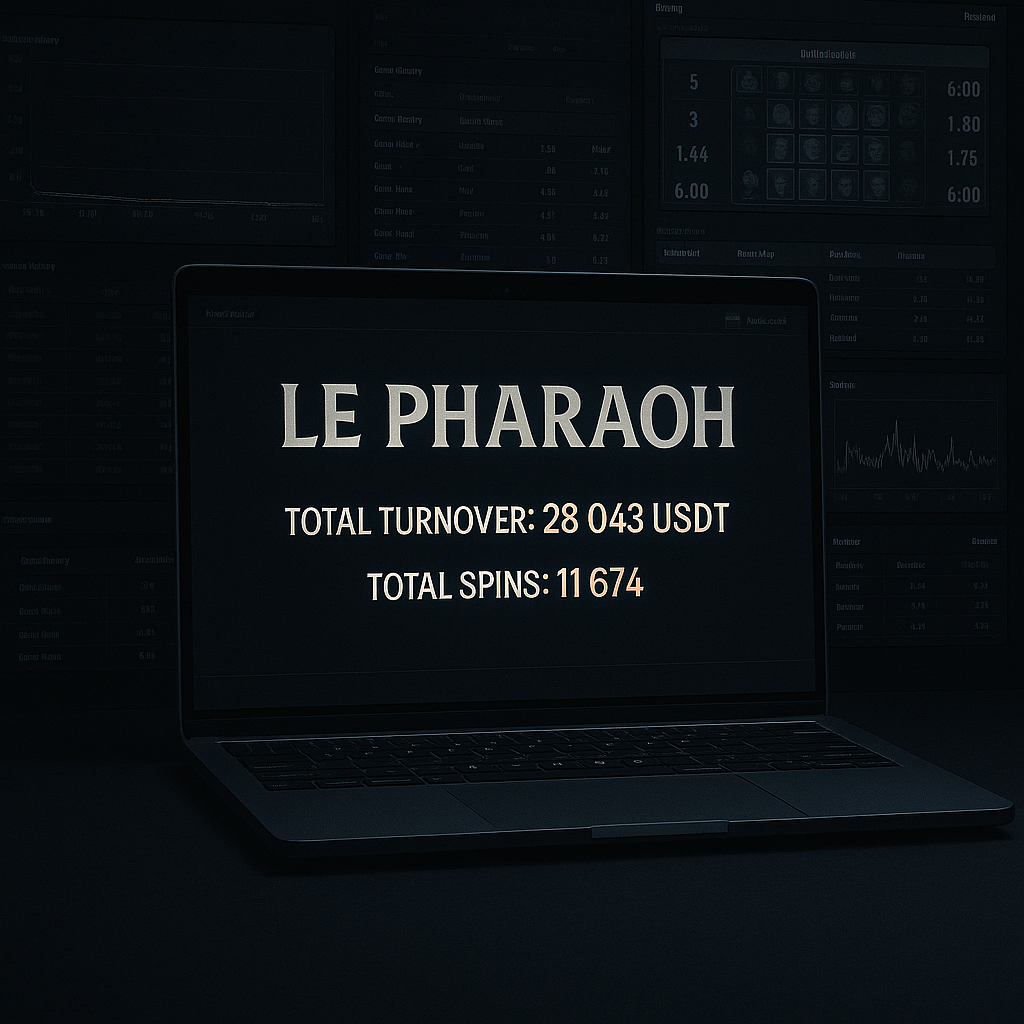
Le Pharaoh is a slot with a dry base game, high volatility in the distance to bonuses, and clearly defined day-by-day game windows: the stated x15000 cap remains a statistical rarity, and the game’s real-world behavior is better judged by pauses and cycles than by the headline specs.
Follow HouseKnows channels for new articles, platform updates and short explainers on game-data analysis.
⛑ Struggling with gambling? Free, confidential help: Gambling Therapy · BeGambleAware · Gamblers Anonymous